Blog
True G-Code Simulation

What is True G-Code Simulation? True G-Code simulation is the ability of a software to predict the exact behaviour of a CNC machine by reading the NC Program line by line. While most CAM systems in the market provide very robust simulation for each machine type but very few can simulate the actual G-Code the…
Read MoreHow to Add an Indexable Holder to a Turret in ESPRIT EDGE 2025

In modern CNC programming, accuracy begins long before the first chip falls. It starts with proper digital setup—especially for complex tool assemblies like indexable holders. ESPRIT Edge 2025 offers a streamlined way to simulate these assemblies, ensuring fidelity between your CAM environment and shop floor reality. This guide walks you through the process of adding…
Read MoreESPRIT 2025 R1 is Here — What’s New and Why You Should Update
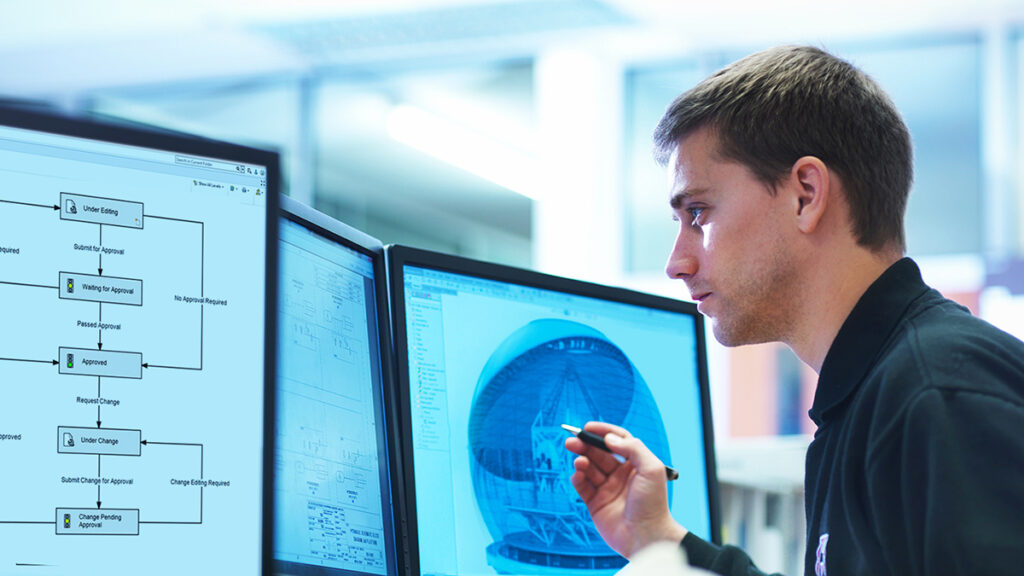
As we announced in our May newsletter, ESPRIT 2025 R1 is now officially available. This new release brings significant updates that improve performance, compatibility, and reliability. Whether you’re a longtime ESPRIT user or just getting started, there’s something in this release for everyone. Key Highlights in ESPRIT 2025 R1 1. SQL Server Upgrade: Future-Proofing…
Read MoreSetting Up a Rotary Table in ESPRIT: A Step-by-Step Guide
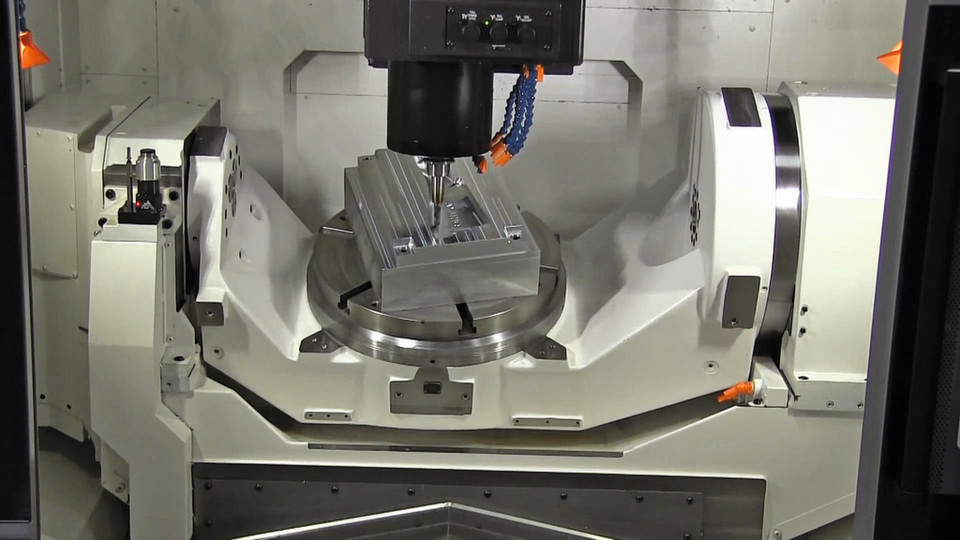
Working with 5-axis parts in ESPRIT? If your machine setup includes a rotary table, replicating that configuration in your virtual environment is essential for accurate simulation and reliable toolpaths. Here’s a quick guide to help you set it up correctly in ESPRIT. Step 1: Launch ESPRIT with a New File Open ESPRIT and start fresh.How:…
Read MoreESPRIT EDGE 2025.2 – Smarter Programming, New Capabilities

The upcoming release of ESPRIT EDGE 2025.2 brings powerful updates aimed at streamlining workflows and expanding programming capabilities. This version will introduce support for Swiss machines and launch ProPlanAI, a new machine learning-driven tool for automated process planning. It also includes a range of enhancements, bug fixes, and user experience improvements. Stay tuned for the…
Read MoreWORKNC 2025.1 is Here – Smarter, Faster, and More Flexible
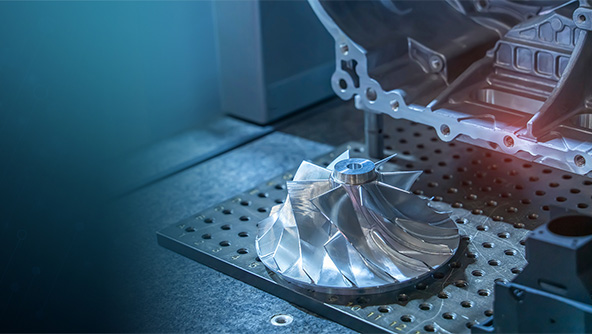
The newest release of WORKNC 2025.1 brings big upgrades to the table, making your CAM programming smoother, faster, and more reliable. Whether you’re roughing, finishing, or verifying toolpaths, this version is built to boost your productivity. What’s New in WORKNC 2025.1? Next-Gen Toolpath InterfaceProgramming just got a lot easier. The redesigned interface lets you manage…
Read MoreDESIGNER 2025.1

The latest update to DESIGNER is here — and it’s all about working smarter, not harder. With big gains across modeling, reverse engineering (Recreate), sheet metal, and usability, 2025.1 helps you design with more control, less clicks, and faster results. Here’s what’s new: Sketch Faster with Smart Constraints The new Constraint Sketching ribbon makes…
Read MoreThinking About an ESPRIT Server License? Here’s What You Need to Know
If your shop is growing and more people need to access ESPRIT, you’ve probably heard about server licenses (also called network licenses). They’re a great option for sharing access across a team, but they come with a few things to consider before making the switch. What’s a Server License? A server license lets multiple users…
Read MoreWhat are the Different Types of CNC Machines?
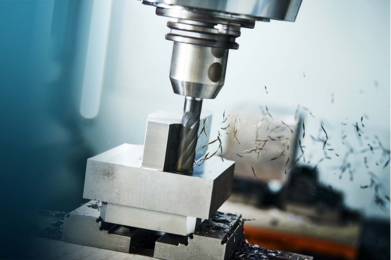
Navigating the world of CNC machines can be overwhelming. With so many varieties, understanding their differences is crucial. Whether you’re in manufacturing or just curious, you’re in the right place. Each type of CNC machine has its unique capabilities and benefits. This page will help you explore the various types of CNC machines and their…
Read MoreWhat Are Digital Twins? Understanding Their Revolutionary Impact on Manufacturing
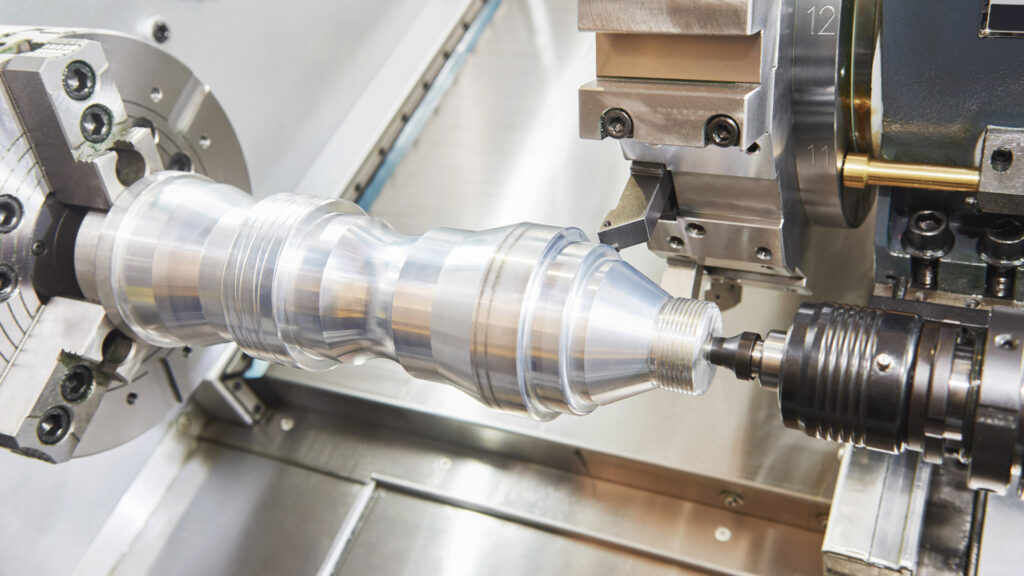
In today’s rapidly evolving manufacturing landscape, digital twins have emerged as a transformative technology that’s reshaping how we approach production, maintenance, and optimization. Manufacturing digital twins represent a breakthrough in how we bridge the physical and digital worlds, offering unprecedented insights into manufacturing processes and enabling levels of control and prediction that were previously impossible.…
Read More